



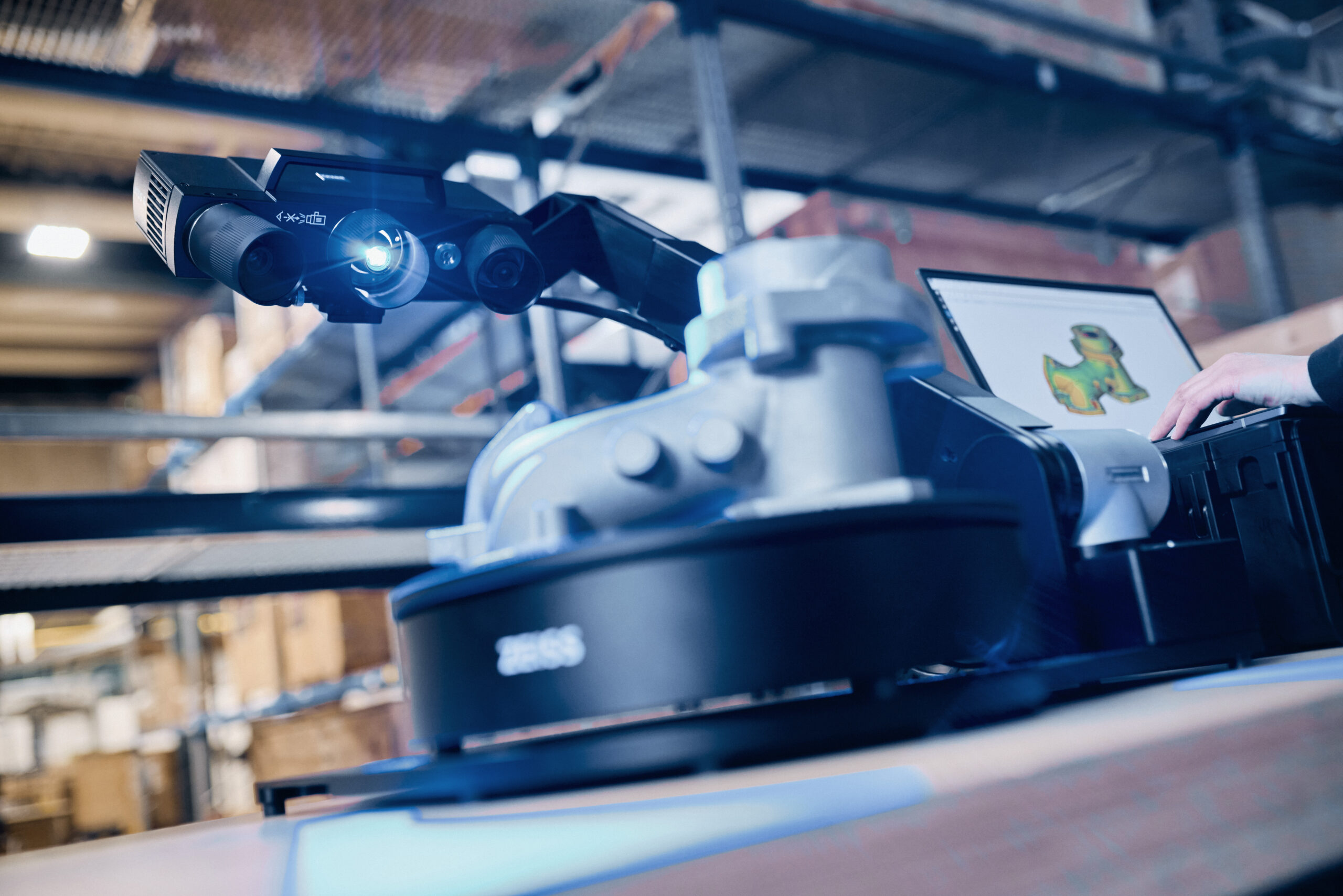

In today’s competitive manufacturing landscape, accuracy, speed, and data-driven decisions define success. From automotive components to aerospace parts, industries are increasingly adopting 3D scanning technology to streamline quality inspection, reverse engineering, and product development.
At the center of this transformation is the Application Engineer — a professional who bridges advanced 3D scanning hardware with powerful inspection software to deliver actionable insights.
This blog explores how application engineers enable smarter workflows using 3D scanners and inspection software like ZEISS Inspect, and why their role is becoming essential for modern manufacturing.
What Does an Application Engineer Do in 3D Scanning?
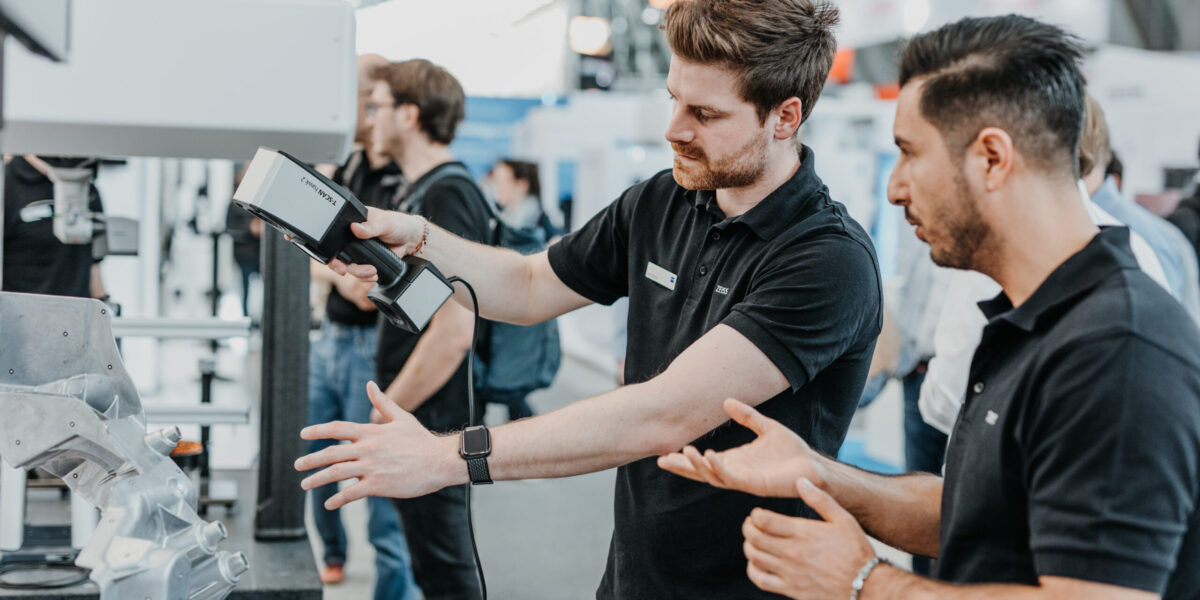
An Application Engineer in industrial metrology ensures that 3D scanning solutions are used effectively across different production stages.
Key responsibilities include:
- Performing high-precision 3D scans of components
- Creating inspection reports using metrology software
- Supporting reverse engineering workflows
- Optimizing scanning strategies for different materials and geometries
- Helping production and quality teams interpret scan data
- Troubleshooting measurement challenges
Their work directly impacts product quality, cycle time, and cost reduction.
The Growing Importance of ZEISS Inspect in Quality Control
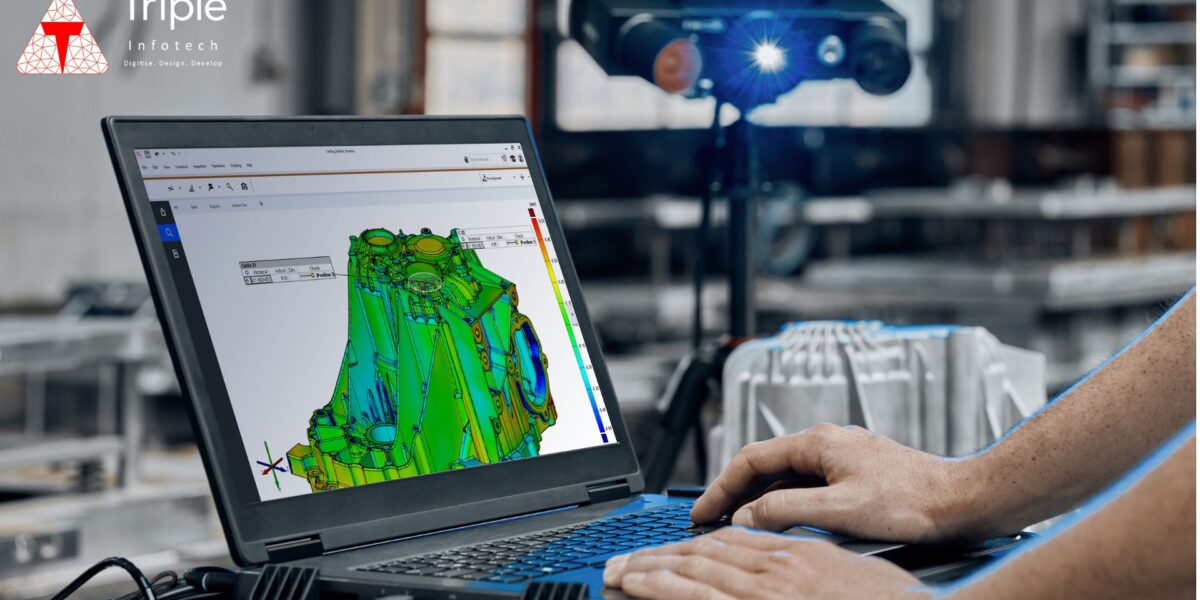
Modern inspection is no longer manual and slow. Software platforms like ZEISS Inspect enable engineers to:
- Compare CAD vs scanned data
- Detect deviations instantly
- Generate automated inspection reports
- Analyze GD&T efficiently
- Improve collaboration between design and quality teams
For application engineers, mastering inspection software means faster decision-making and better process control.
How 3D Scanning Improves Manufacturing Efficiency
When guided by skilled application engineers, 3D scanning delivers measurable business value:
✔ Faster First Article Inspection
Digital inspection replaces manual measurement methods.
✔ Improved Reverse Engineering
Legacy parts can be digitized accurately for redesign or reproduction.
✔ Reduced Production Errors
Early deviation detection prevents costly rework.
✔ Better Product Development
Real-world data improves design validation.
✔ Knowledge Transfer Across Teams
Scan data becomes a reusable digital asset.
Why Companies Need Application Engineers with 1–2 Years of Experience
Engineers with early industry experience bring the perfect mix of technical knowledge and adaptability. They typically:
- Understand scanning fundamentals
- Have hands-on software exposure
- Learn new workflows quickly
- Support multiple projects simultaneously
- Contribute to process improvement
This makes them ideal for companies expanding their digital inspection capabilities.
Skills That Define a Strong 3D Scanning Application Engineer
To succeed in this role, professionals should develop:
- Knowledge of structured light and laser scanning
- Experience with metrology software workflows
- Understanding of CAD and GD&T
- Problem-solving mindset
- Communication skills for cross-functional teams
- Basic reverse engineering techniques
These skills help transform raw scan data into meaningful production insights.
Future Trends: Where the Role Is Heading
As Industry 4.0 adoption grows, application engineers will play a bigger role in:
- Digital twins
- Smart quality labs
- AI-assisted inspection
- Portable metrology workflows
- Faster product validation cycles
Companies investing in skilled engineers today are building a future-ready quality ecosystem.
Final Thoughts
3D scanning technology is only as powerful as the professionals using it. Application engineers ensure that advanced tools translate into real production value — faster inspection, better accuracy, and smarter decision-making.
For manufacturers aiming to stay competitive, investing in skilled application engineers is no longer optional — it’s strategic.

 India
India Middle East